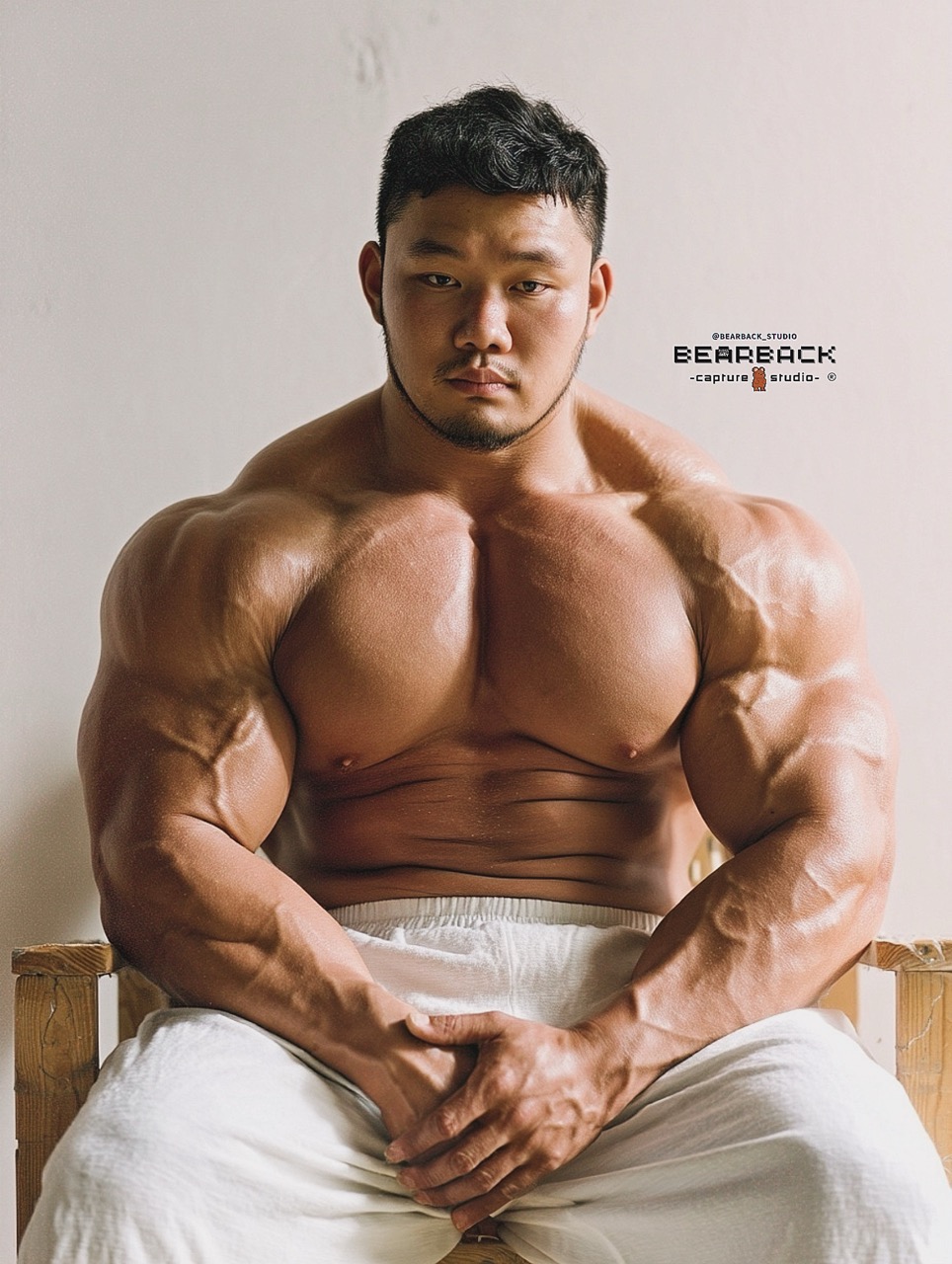
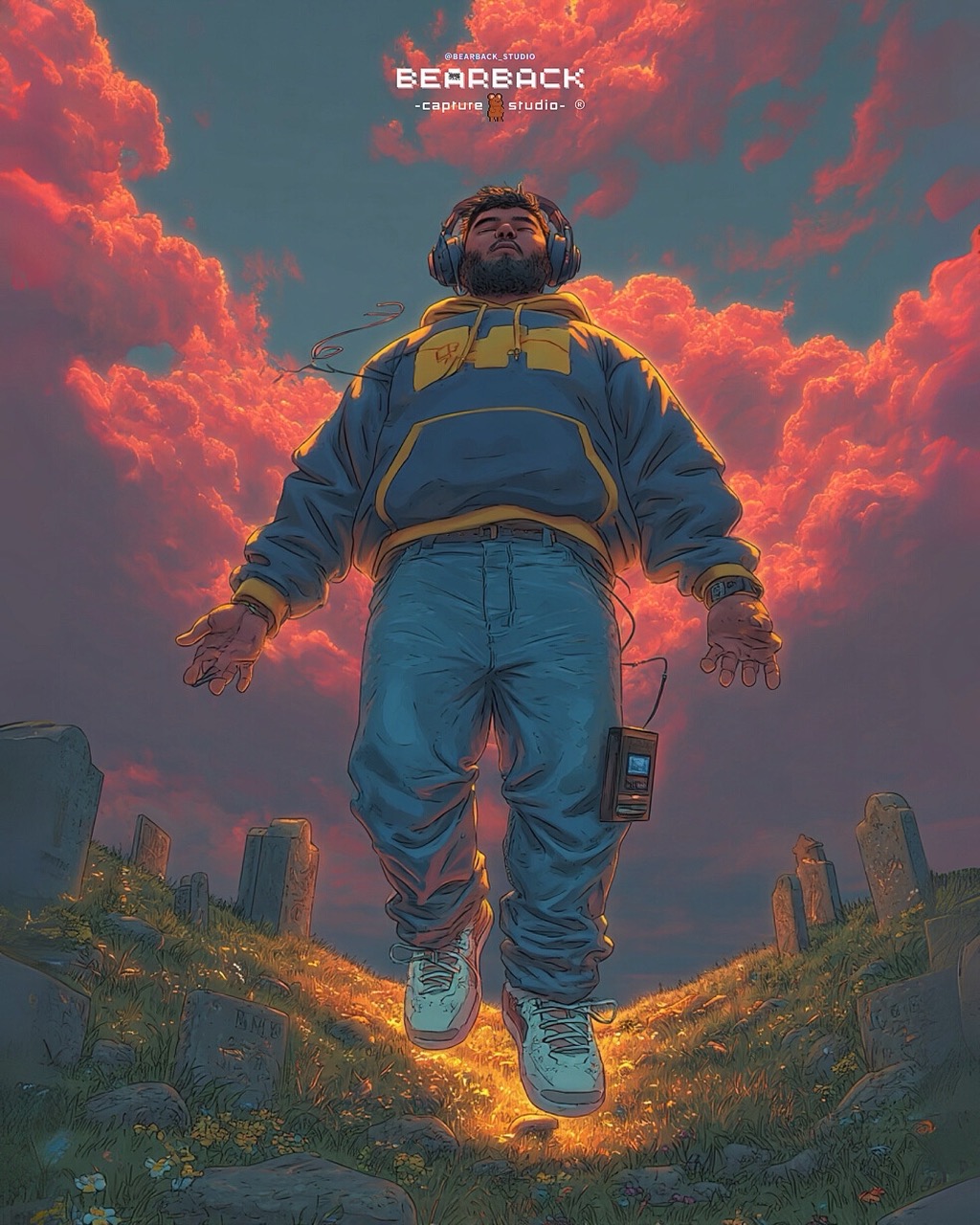
Why is AI mapping so controversial? Reflecting on the impact of this trend.
Is AI drawing art? This question has divided the creative community. Some argue it's just a cold, cold stack of algorithms (some say it's just card drawing), soulless and unworthy of the term. Others argue that the tool itself isn't the point; the true value lies in how the creator uses it.
Historically, photography, when it first emerged, was similarly viewed as a threat. It quickly displaced traditional portraits and landscapes, and was even considered to lack artistic value. Today, however, photography has not only been rehabilitated, but has also become a prominent part of the art world.
So the question is: if photography can be recognized as art, why not AI-generated drawings? Is it because we're not used to it, or is it because something is truly "missing"? Perhaps the controversy itself demonstrates how AI is already shaking up our very definition of "art."
Are many graphic designers or photographers worried that their livelihoods will be replaced by AI?
This is a stark contradiction. In the past, graphic designers relied on years of professional training to gain a foothold in the market. Now, someone without an art background can create a work comparable to a professional illustration simply by inputting a few lines of prompts. For them, this isn't just a financial threat; it's a challenge to their professional dignity.
If the market truly no longer values technical expertise, are all those years of hard work meaningless? Or do they need to transform themselves, shifting from being "brush operators" to "guides of aesthetics and concepts"?
AI drawing lowers the threshold for creation, allowing everyone to become a "creator".
This seems to be a wave of democratization - making art no longer a palace exclusive to a few people, but a game that everyone can participate in.
But the question is: if creation becomes too easy, will art lose its scarcity? If everyone can quickly produce large quantities of images, will works that originally required time and skill still retain the same precious status? Or perhaps, precisely because AI has liberated technological limitations, we need to redefine the identity of "creator," shifting the focus from "who draws well" to "who can tell the most moving story." These are all questions worthy of our deep reflection.
This month's featured works
All About Authenticity

Conflict
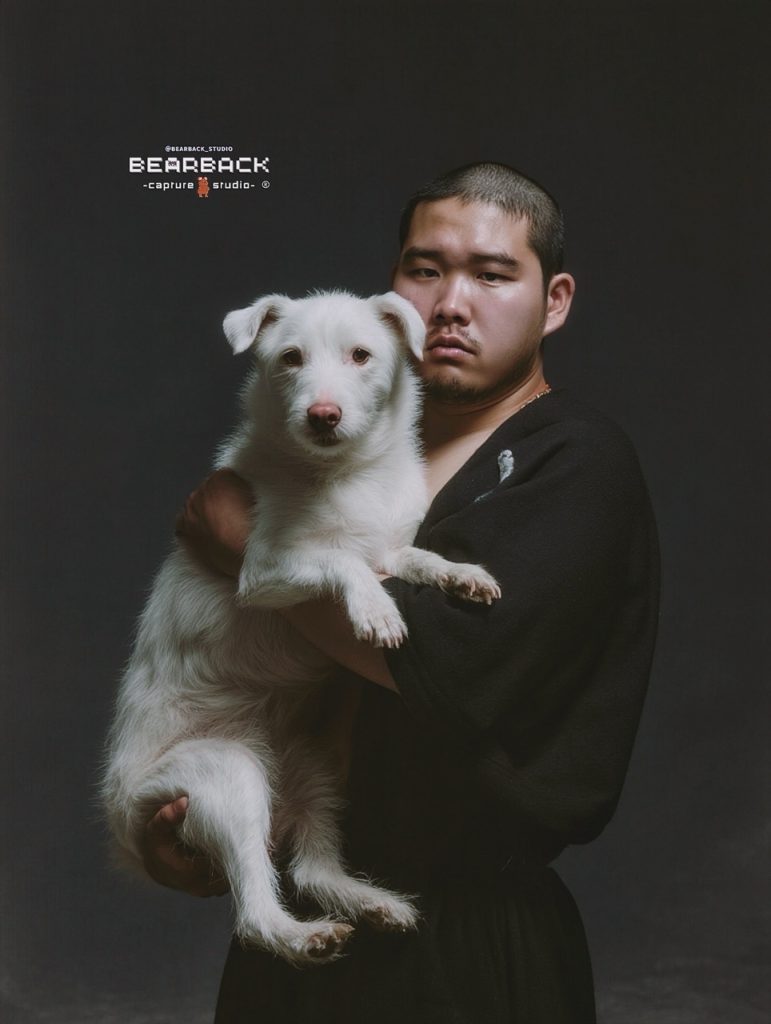
This series of photographs, imitating the solemnity of a classical portrait, depicts a man cradling a dog, his expression calm yet revealing a hint of unease. This isn't just a portrait of man and animal; it serves as a metaphor: amidst the surge of AI, humans remain the creative subject, yet traditional technology, like the dog in his arms, appears docile and loyal, yet also clumsy and fragile.
And More.....
Will it continue to be protected, or will it slowly fade away with the passage of time? This image makes us wonder: when tools are faster and more efficient than creators, how should we understand the value of art?
 EN
EN  TW
TW